Wearable and epidermal bioelectronics
Conformal and drawn-on-skin electrodes for unobtrusive, high-quality electrophysiology in real-world environments.

Muhammad Zubair is a PhD candidate in the Department of Biomedical Engineering at The Pennsylvania State University and a visiting PhD student at the University of Illinois Urbana-Champaign, advised by Dr. Cunjiang Yu. I will join the Department of Computer Science at The University of Texas at Austin as a Postdoctoral Fellow in January 2027.
His research lies at the intersection of wearable bioelectronics, neural interfaces, biomedical signal processing, and artificial intelligence. He uses conformal physiological sensors and integrates them with signal processing and AI models to translate electrophysiological signals into reliable information for human-machine interfaces and health monitoring.
His recent work spans epidermal sensing, ambulatory stress monitoring, at-home sleep monitoring, drowsiness detection, physiological signal decoding, and intelligent assistive systems, with publications in venues including Science Advances, National Science Review, and various IEEE journals and conferences.
Google Scholar · LinkedIn · Curriculum Vitae · Email
PhD Candidate, Penn State BME · Visiting PhD Student, University of Illinois Urbana-Champaign
Conformal and drawn-on-skin electrodes for unobtrusive, high-quality electrophysiology in real-world environments.
Signal processing and machine learning for EEG, EOG, EMG, and ECG, including sleep, drowsiness, and neurological applications.
Intelligent systems that translate physiological signals and human intent into responsive assistive technologies.
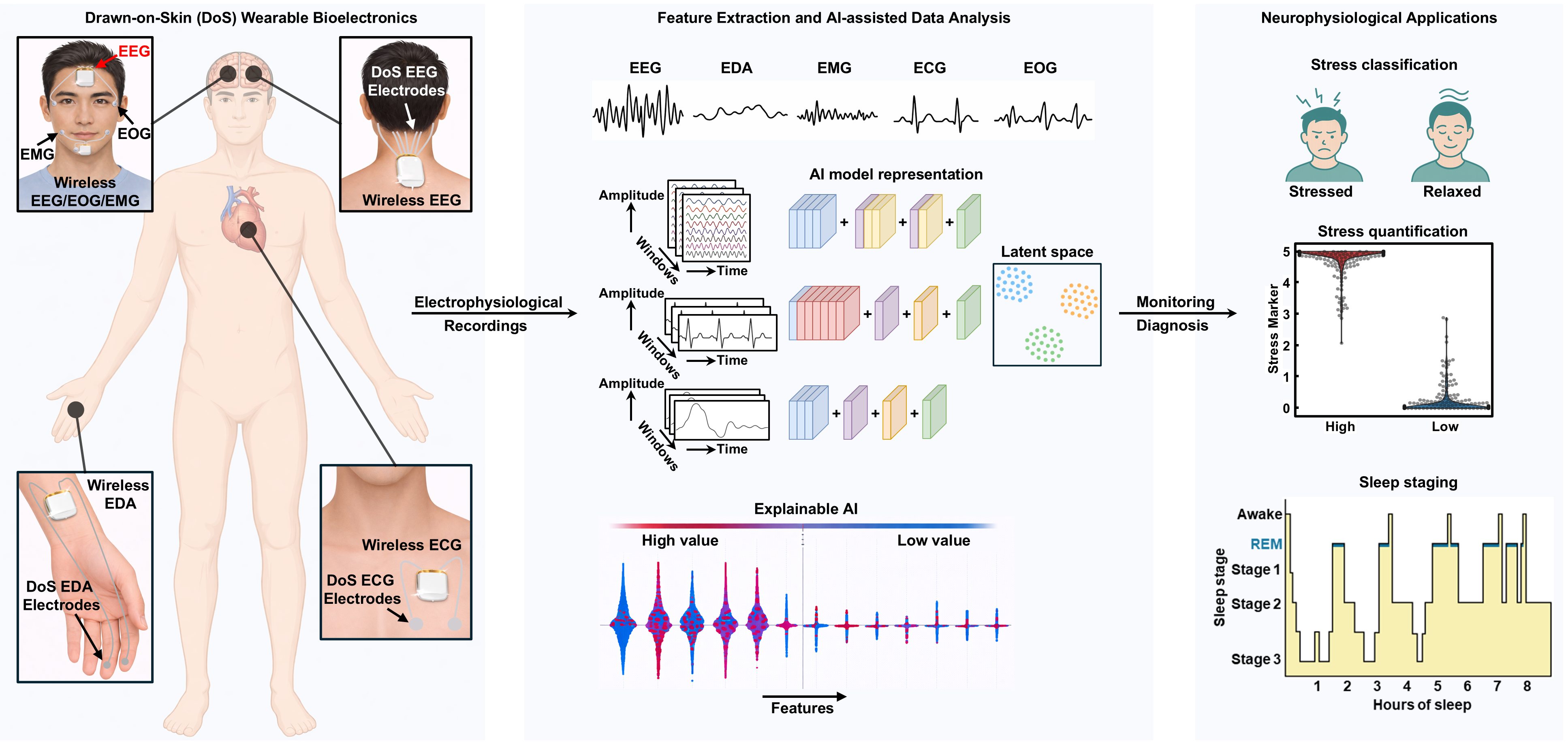
F. Ershad, Z. Rao, …, M. Zubair, et al.
Science Advances 11(4), eadt7210
Y. Cheng, Y. Zhan, …, M. Zubair, C. Yu, and C. Guo
National Science Review, nwae050
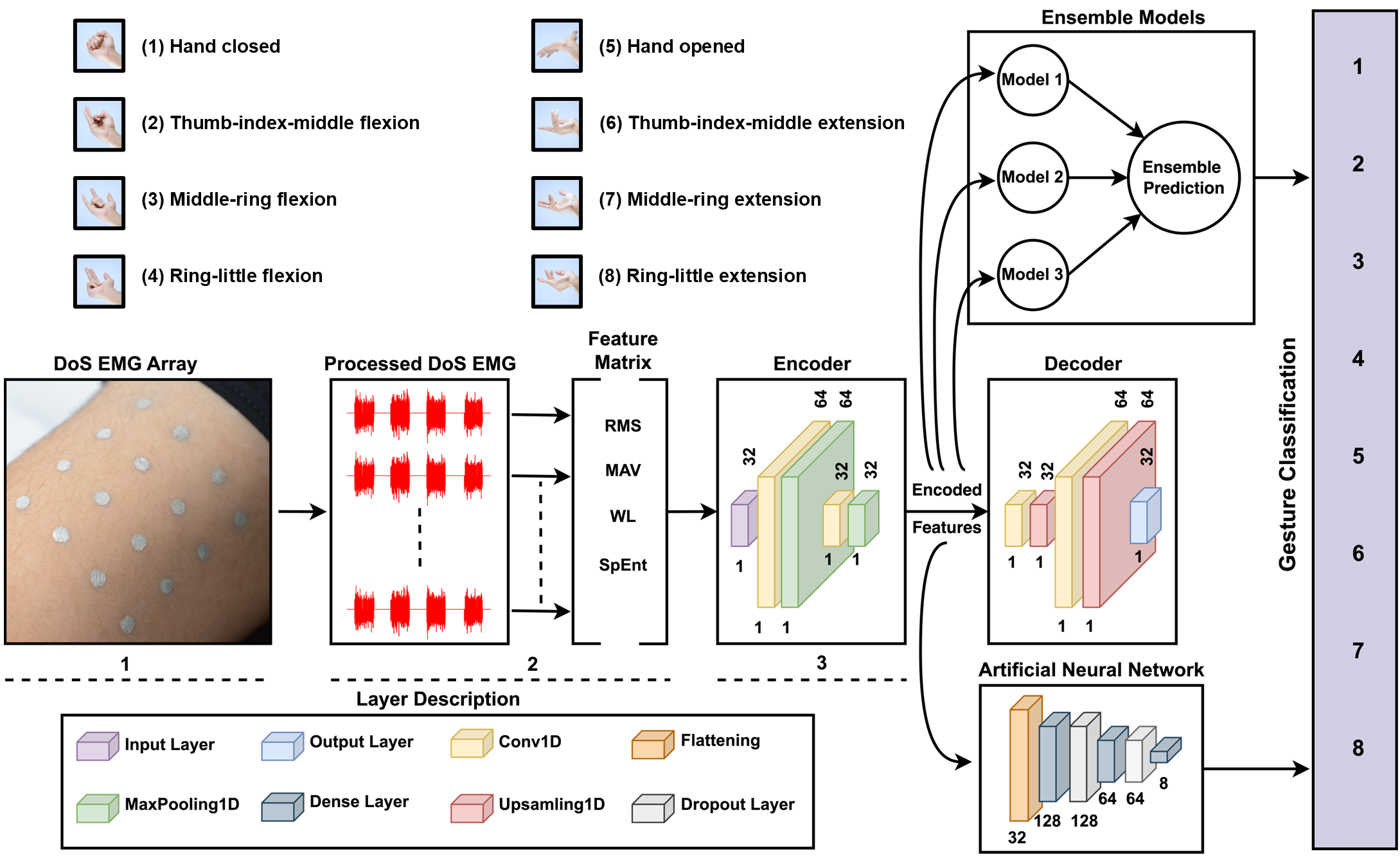
M. Zubair, U. K. Naik M, R. K. Tripathy, et al.
IEEE Transactions on Artificial Intelligence 5
M. Zubair, M. V. Belykh, U. K. Naik M, et al.
IEEE Sensors Journal 21(15)
S. Agarwal and M. Zubair
IEEE Sensors Journal 21(23)